Why open offices get noisy
Hard floors, glass, bare walls and high ceilings reflect sound, so conversations travel further and linger. Add phone and video calls and it becomes hard to concentrate. The aim is not silence but reducing echo and stopping speech from carrying across the room. A few well placed soft surfaces and barriers can make a noticeable difference without building new walls.
Acoustic wall panels
Fabric and felt panels absorb sound rather than reflecting it. Spread them around the room at roughly seated head height and on walls facing each other, where echo bounces back and forth. Slatted wood panels add a warmer look while still absorbing sound through the felt backing. Panels come in many colours, so they can double as a design feature or wayfinding.
Desk screens and partitions
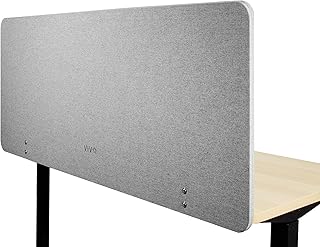
Desk screens fixed to the edge or side of desks block some direct sound and give a sense of privacy between neighbours. Freestanding partitions divide larger areas into zones, such as separating a busy support team from people doing focused work. Fabric-covered screens tend to absorb more sound than clear acrylic ones, though acrylic keeps the room feeling open.
Give calls their own space
Phone booths and small pods let people take calls and video meetings without disturbing others. Even one booth can take pressure off a busy floor. Where a booth is not practical, a quieter corner with acoustic panels and soft seating can serve as a call zone. Agreeing simple habits, like taking long calls away from desks, helps too.
Soft furnishings help
Breakout sofas, rugs, bean bags and upholstered seating all soak up sound as well as making the office more comfortable. A breakout area away from desks gives people somewhere to chat and have lunch, moving that noise out of the main workspace. Combining soft furniture with panels and screens usually works better than relying on any single fix.